
Owners waste 40 percent of budgets on bad Google ads. Leaders miss core algorithmic search rules. Founders think a site launch brings Yahoo users. Owners treat HTML site code as a late step. Data shows that organic search brings 53 percent of 2026 web clicks. A firm grasp of algorithmic search rules puts Google sites past hidden rivals.
A good SEO plan demands deep web logic. The Google apps run on strict code rules. Good HTML text wins top Bing spots. Smart founders learn the Google bot logic early. The SEO game needs precise HTML data formats. Strong web content solves hard 2026 user queries. The Google search index drops bad spam sites daily. Top SEO work builds high brand trust metrics. A clean URL map helps the Google spider run fast.
What are search engine basics and how do they work?
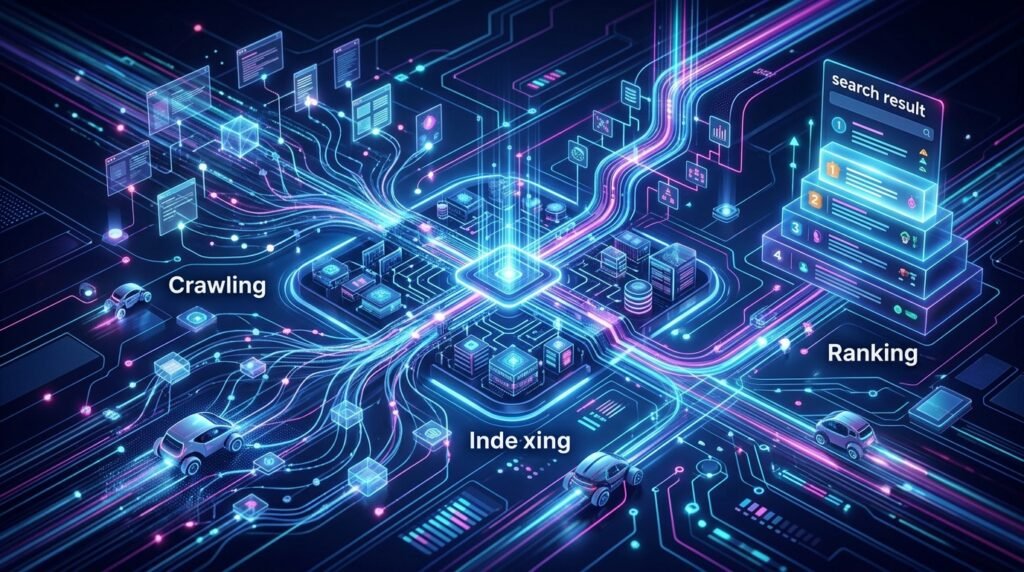
Search engine basics span 3 core steps of crawl, index and rank tasks. The Google system sends fast bots to find web text. The software sorts the HTML data into a vast index. The math picks the best answers for users.
The Google system runs on its own. The software checks user intent against 400 billion text files. Learn the rules to match HTML code with Google bot needs. The Google spider apps crawl fast web servers daily. The index stores plain HTML facts in large data hubs. The rank code tests the HTML word match score. Top Google spots require fast HTTPS web servers.
The SEO rule book changes 3000 times per year. Big Google updates fix bad SERP spam issues. Good HTML markup speeds the Google bot index pace. Clear H2 tags guide the Google spider to key facts. The Yahoo search tool uses a firm crawl bot phase. Strong SEO text meets the exact 2026 user search goal. A fine URL map prevents bad 404 error codes. The Google math drops slow HTML pages fast. The Bing rank tool favors deep subject text blocks.
The 3 core phases of search engine work are listed below.
- Crawling (Discovery): Fast Google bot apps use HTML links to find new web files.
- Indexing (Storage): The Google database sorts HTML text and JPEG art for fast reads.
- Ranking (Retrieval): The Google math grades HTML page scores for 1 specific user query.
Why is understanding search engine mechanics important for business owners?
Understanding search engine mechanics helps business owners catch high digital intent without 24/7 paid ad costs. Good Google ranks build a steady client flow. This 1 SEO flow adds brand worth over 12 to 24 months.
Hard 2026 data backs the SEO spend over paid Google ads. The median ROI for strong organic search plans hits 748 percent. Founders use SEO rule facts to point staff to high ROI tasks. Top SEO ranks cut the high Google PPC cost base. A strong Bing spot brings free web clicks for 3 years. Smart SEO plans push the 2026 sales chart up. Good Google trust metrics build high brand PR value.
Small B2B teams use SEO tactics to beat huge rivals. A sharp HTML site map wins the free Yahoo traffic share. The Google search base spans 8 billion user clicks daily. Bad SEO steps burn the 2026 web marketing budget. Deep SEO logic shields the brand from harsh Google updates. Top founders view clean HTML code as a core business asset.
A high Google rank acts as a 24/7 digital sales tool. Strong organic clicks hold a high 2026 user conversion rate. Good SEO facts let owners hire top digital web teams. Clear SEO metrics show the exact web ROI return scale. The Bing search tool sends free B2B buyers daily. Top HTML speed tweaks bump the brand revenue line up.
A read on SEO vs SEM shows the split in full.
What is the difference between organic search and paid search?
The difference between organic search and paid search sits on fee models and page spots. Organic search links win top page spots via Google algorithm merit and cost 0 dollars per click. Paid search links buy the top Google spot and cost 1 fee per user click.
Paid Google ads bring web clicks in 24 hours. The PPC flow dies when the ad budget hits 0 dollars. Top organic results need 6 months to grow. Good SEO links bring web clicks for 3 years post SEO spend. The Google ad block sits at the high SERP top space. The pure organic links sit right below the paid ad zone. High PPC bid rates drain the 2026 startup cash pile fast.
Smart organic SEO builds a free long term digital moat. Bad paid ad plans yield a low 2026 user ROI rate. High SEO ranks earn a high 60 percent click trust score. The Google Ads tool needs a large daily credit card spend. True SEO work needs deep HTML and high text skill hours.
The Yahoo paid ads grant fast B2B web site views. A top organic Yahoo rank builds a slow massive traffic base. Fast PPC leads fit short 2026 holiday sales push goals. Good SEO leads fit long 5 year B2B brand growth plans. The Google math marks the paid ads with a clear sponsor tag. The organic links lack the sponsor ad tag box. A good SEO audit guide splits the pure organic tasks from paid ad tasks.
How do search engine crawlers discover new websites?
Search engine crawlers discover new websites through extraction of HTML links from known URLs. The autonomous Google spider apps grab HTML code blocks. The bots scan internal URL maps. The software adds unknown URLs to a new crawl queue.

XML sitemaps give the Googlebot software a clear 1 page map of top URLs. The robots.txt text file tells the Google bot apps which 500 error server folders to skip. The Bing bot app reads the XML map files first. Good internal HTML links point the Google spider to deep text. Bad 404 URL links stop the Google bot path dead.
The fast Google apps fetch the raw server HTML text payload. The code cuts out the flash CSS design files. A vast server hub stores the raw URL link queue lists. The Google software sets a firm daily bot crawl budget limit. Large news sites get a high 1000 page daily bot limit. Small B2B sites get a small 10 page daily bot limit.
Top SEO pros fix the bad URL redirect loops fast. A clean site code map saves the Google bot time. New XML map alerts ping the Yahoo bot to fresh posts. The spider apps run on a massive 24/7 cloud server mesh. Deep HTML links form a web path for the crawl tool. The Google bots read the href URL tags to move on. A smart technical SEO checklist maps the exact server flaws that block fast web crawls.
How do search engines build and organize their index?
Search engines build and organize their index through transformation of the raw crawler data into a neat relational database. The Google system cuts out CSS style code. The software renders JavaScript files. The database sorts the HTML text by 1 topic entity.
Clone text forces the Google system to pick 1 main URL file for the index. Smart Google rules block low tier spam sites before the database sort step. The vast index acts as a huge digital book text map. The Google tools parse the HTML words into small data chunks. The Bing index links the text chunks to 1 main topic ID.
The server banks store the text data for fast 2026 user reads. A canonical HTML tag tells the Google bot which URL page matters. The index drops the duplicate URL versions to save server disk space. The Google tools scan the H1 tag text to glean page context. The schema JSON code adds rich text facts to the index row.
The Yahoo database sorts the web text by the strict URL age. Fresh 2026 news posts get a fast special index spot. The Google system drops the bad 404 error URLs from the index. The massive index spans 100 petabytes of pure text data. Good SEO rules make the HTML page index phase smooth. The web database feeds the fast Google user query fetch tool.
What are the core factors in search engine ranking algorithms?
The core factors in search engine ranking algorithms fuse topic match, site trust and HTML user speed scores. The math formulas check if the HTML text serves the user query better than 10 rival URL files in the database.
Google tweaks the rank math 3000 times per year. Top Google tools favor real expert text and safe HTTPS server code. The semantic HTML depth sets the pure topic match rank score. A high backlink count boosts the domain trust URL metric. Fast Core Web Vitals pass the tight Google speed test rules.
The Bing math checks the rich user click rate data points. The search formula drops the thin 200 word spam pages low. Good HTTPS code adds a small secure Google rank bump. The rank apps parse the exact 2026 user search box query. A tight text match lifts the page to the top 1 spot. The Google math penalizes the slow 10 second page load times. A proper keyword research guide aligns the text with exact 2026 ranking metrics.
High mobile layout scores boost the Google phone search rank position. The algorithm tests the exact noun phrases inside the HTML text. The rank rules favor the deep 2000 word guide text blocks. The search engine tools map the HTML text to 1 knowledge graph.
The 3 primary algorithmic rank pillars are listed below.
- Topical Relevance: The semantic depth of the HTML text must hit the clear Google search intent.
- Domain Authority: Hyperlink links from top PR sites prove the URL domain trust score.
- Technical Performance: Core Web Vitals score the HTML page load speed and Chrome layout shifts.
How does search intent affect search engine results pages?
Search intent affects search engine results pages via display format rules for 4 main query types. The Google math scans the user text to guess the 1 true user goal. The engine tweaks the layout to fit that 1 goal.
A 2026 Google search for cheap shoes shows 10 fast retail ad boxes. A 2026 Google search for shoe history shows 10 deep HTML text guides. The exact user query sets the final SERP web layout frame. The Google math maps the intent to 1 specific topic bucket. A buy intent query brings up the fast e-commerce cart links. A learn intent query brings up the long wiki text pages.
The local intent query pulls the 3 pack Google map widget. The brand intent query ranks the main corporate URL home page. Good SEO pros match the exact HTML text to the user intent. The Bing search tool tracks the high user bounce rate stats. A bad intent match shoots the user bounce rate metric up. The algorithm drops the poor intent match pages from the top 10.
A tight intent match holds the user on the HTML page long. The Google math rewards a high 5 minute page dwell time. The exact query shape tells the Google bot what the user wants. The rich SERP layout bends to serve the 2026 user needs fast. The video intent query pulls 3 fast YouTube clip links up.
What role do backlinks play in search engine trust?
Backlinks play a core role in search engine trust by act as 1 hard digital vote from 1 domain to the next domain. The Google math views a link from a big Forbes URL as a top trust signal.
High volume spam links hurt the URL domain score. Top tier B2B sites need deep HTML content to win safe Google trust votes. A strong backlink profile tells the Bing bot the site matters. The PageRank math treats each URL link as 1 reputation point. The link anchor text tells the Google bot the target page topic. A proper backlink strategy drives safe white hat PR links to the core B2B hub page.
Good SEO PR work builds the high quality backlink count fast. A link from a .edu URL grants a huge Google trust bump. The bad link farm sites pass a low 0 trust score point. The Google penguin update targets the bad fake link schemes hard. A slow natural link growth curve looks safe to the Google bots.
The URL domain authority score relies on the gross backlink tally. A top Wikipedia link adds a massive trust signal metric point. The Google math checks the backlink URL context for true relevance. The rich text links pass the high PageRank juice to the main page. A clean backlink map protects the B2B site from the search bans.
A technical SEO audit service finds what blocks a crawler on your site.
How long does it take for search engines to index a new page?
It takes search engines from 4 hours to 4 weeks to index a new page. The Google crawler apps scan big CNN news hubs on a daily basis. Small B2B websites wait a 14 day span before a Google bot scan occurs.
A URL submit to Google Search Console starts a fast 1 page manual crawl job. HTML links from top SEO blog pages to the new URL speed the Google bot discovery time by 50 percent. The XML sitemap ping alerts the Bing bot to the fresh post. The fast Google index API drops the wait time to 10 minutes. The server speed dictates the exact bot crawl return rate limits.
A bad robots.txt block stops the Google bot index phase dead. The 404 URL errors pause the Bing bot crawl sweep run fast. The deep URL map depth slows the fresh index discovery time frame. Top SEO pros link the fresh URLs from the main home page. The high site trust score boosts the fast Google bot crawl rate.
The social media PR links pull the Google spider bot fast. The orphan HTML pages lack the links to draw the Google bot. The crawl budget dictates how many URLs the bot checks per hour. The vast Google web queue limits the fast B2B site index pace.
How do you apply search engine basics to your SEO strategy?
You apply search engine basics to your SEO strategy via tight match of HTML code with strict Google math rules. The SEO rules mean that all HTML code updates must clear 1 Google bot test before human web readers see it.
A smart SEO plan needs deep Google insight and fast HTML work. Strong SEO work drives HTML code choices across the whole B2B web presence. The technical SEO phase fixes the slow server response time lags.
The content SEO phase builds the dense 2000 word guide posts. The off page SEO phase hunts the top backlink trust votes. The clean URL code fits the exact Google crawl bot specs. The deep keyword list feeds the exact user intent text match. The fast web server passes the tight Google speed test metrics.
The smart schema tags tell the Bing bot the exact post facts. The clear H2 blocks format the text for the fast Google read. The good internal links pass the PageRank trust to the sub pages. The XML sitemap files guide the Yahoo bots to the priority posts. The direct SEO steps raise the total 2026 organic user traffic sums.
How do you optimize technical structure for crawlers?
Technical structure optimization needs a flat HTML site map where all URLs sit in 3 clicks from the root. A SEO Consultant maps these hard Google crawl rules to clear 2026 sales goals.
How do you format content for accurate indexing?
Accurate indexing needs rich HTML markup code like JSON schema to state the 1 clear page topic. Clean H2 tag trees help Google sort HTML facts. Top SEO content writing services push dense semantic facts.
How do you align keywords with search intent for ranking?
Keyword alignment needs a tight text match to the 1 hard problem the Google search user wants to fix. What-is Google queries need deep text guides. Buy-now Google queries need fast checkout UI screens.
How do you track and measure search engine ranking performance?
Rank performance track tasks need a direct Google Analytics code on all active HTML URLs. The Google data shows the exact URL search click totals per 30 day span.

